“The tango is really a combination of many cultures, though it eventually became the national music of Argentina.” – Yo Yo Ma, Musician
Over our five days in Buenos Aires, we walked and biked with different tours to learn about the history of the city and country. We took a tango lesson at La Catedral, which was a blast even though Phil and I are far from graceful dancers, and then watched as professional dancers showed us how it was really done. We ate delicious steaks and embraced the Argentine dinnertime (most restaurants don’t open before 8pm). Below are some of the highlights from our visit.
-Erika
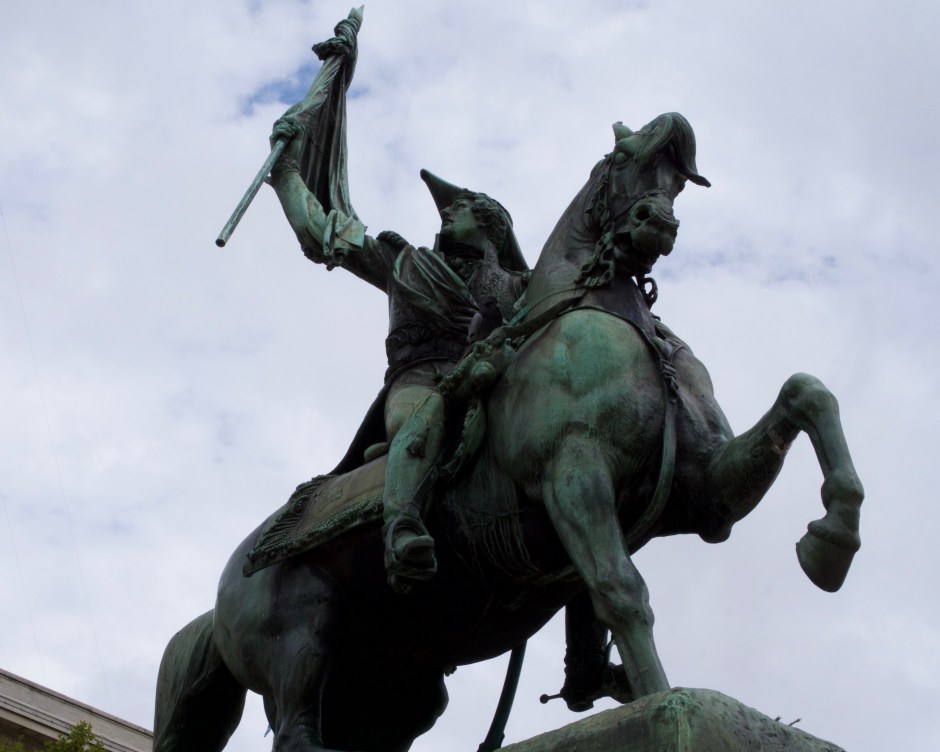
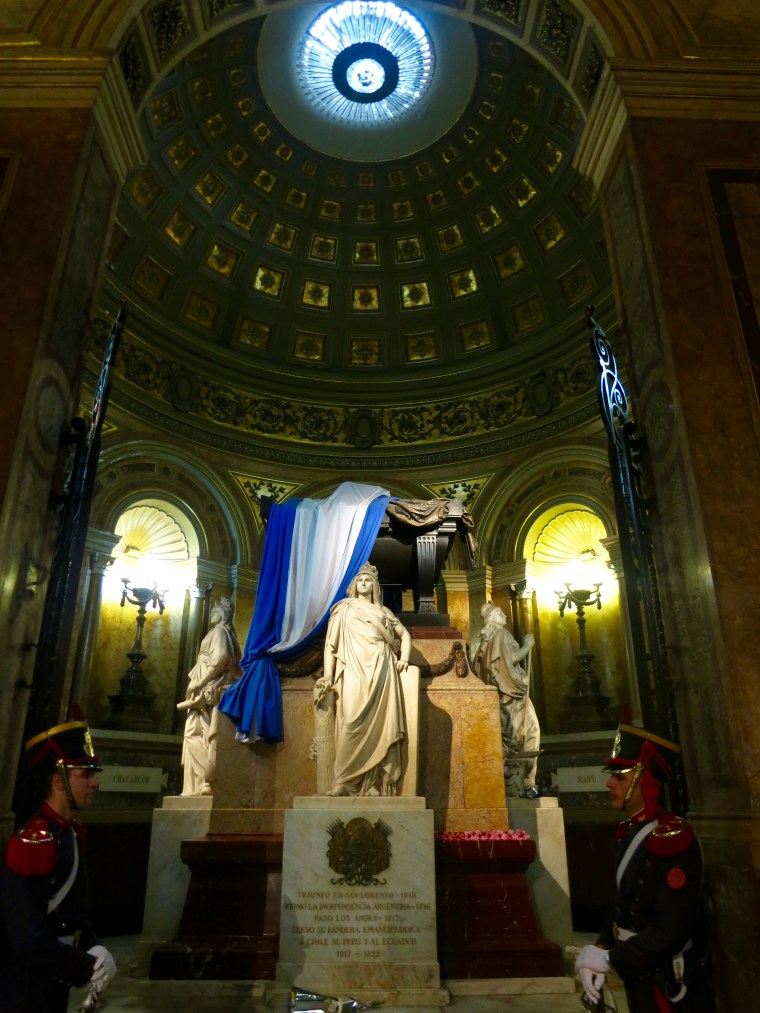
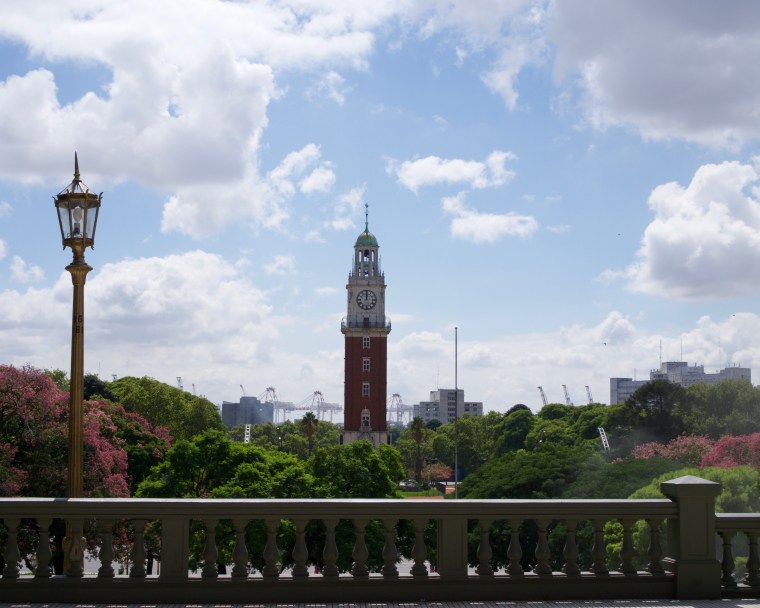
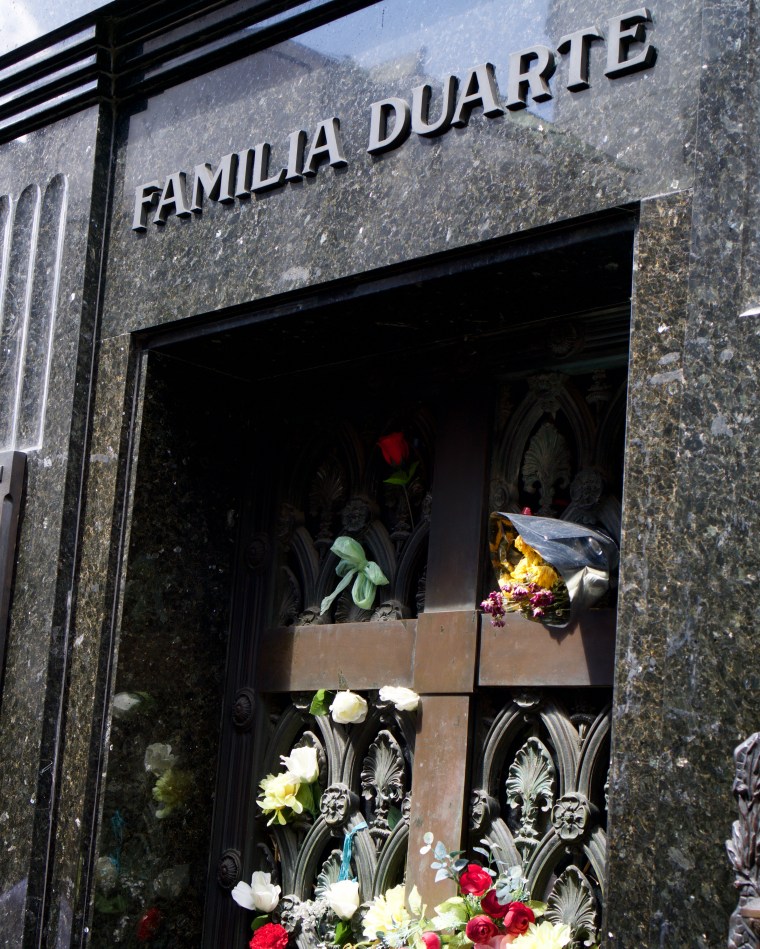
A statue of San Martin overlooks Casa Rosada (“The Pink House”), the offices of the President of Argentina. Final resting place of Jose de San Martin. San Martin was an impressive figure and revered throughout much of South America for his successful military campaigns to give Argentina, Peru and Chile independence from Spain. He was born in what today is Argentina, but went to Spain for his military education… I’m sure Spain would’ve been proud of how their trainee turned out if he hadn’t used his skills to demolish their rule in the continent. We saw his mausoleum in the Metropolitan Cathedral in Plaza de Mayo (right down the street from Casa Rosada). The three statues around his tomb are personifications of the countries he liberated.Palace of the Argentine National Congress. We learn to tango!!! The history of tango music is fascinating, it’s a blend of instruments and techniques from various European cultures that immigrants brought with them to Argentina in the 19th century. The music was born in the poor and disadvantaged tenement blocks and street corners of Buenos Aires, and dancing quickly followed. Torre Monumental, the “Big Ben” of Argentina. A gift from the British in 1916 to commemorate the centennial of Argentina’s May Revolution (start of the war of independence against the Spanish). Grave of Eva (“Evita”) Peron in La Recoleta cemetery. She’s buried in her family’s tomb.




 Taking Two